Wednesday, April 24, 2013

The rise of plastic packaging


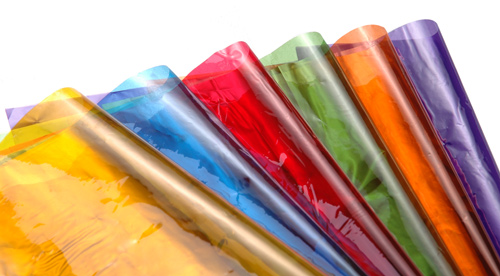
Image source: asia.ru

Plastic is generally considered as one of the most widely used materials in the world today. While utilized for anything from commodities to luxuries, its most common application by far is as packaging for food, chemicals, and practically any material and substance. Its use as a packing material goes way back in history. Here is a brief look at the history of plastic packaging.

• The first plastic was created in 1862. Based from cellulose, it could be molded to many shapes when heated, and was called Parkesine.

• In 1908, Dr. Jacques Edwin Brandenberger created Cellophane. He intended to create a cloth that repelled stain but instead, he succeeded in creating the first wrap that was impervious to liquids.

• In 1930, Richard Drew invented the Scotch® Cellulose Tape, an adhesive plastic tape that offered a convenient means for grocers to seal plastic packages.

• In 1933, Ralph Wiley invented a new type of plastic that clung to almost any material. First used by the military, it gradually became available to the public and became widely utilized for keeping food fresh. Called SaranTM, it was the first cling wrap.


Image source: icsid.org

• Tupperware® was developed by Earl Silas Tupper in 1946. It was a line of food containers made from polyethylene.

• Polyethylene garbage bags were developed in 1950. They offered a convenient and orderly way of storing trash.

• In 1954, zipper storage bags were patented by Robert Vergobbi. These led to the introduction of the first Ziploc® containers in 1968.

• The first Bubble Wrap® was patented in 1960 by Alfred Fielding and Marc Chavannes.

• In 2000, polyactic acid derived from corn resurrected bio-based plastic packaging.

• In 2010, Mettalyte™ films were introduced in order to reduce packaging tears that resulted to the spoilage of food products like grains, noodles, and coffee.

Plastic has come a long way since it was first created. There is little doubt that research will continue to improve this material and further expand its uses.


Image source: green-4-u.com

Wohl Associates deals used packaging and processing machinery that are ideal for many factories and manufacturers today. Visit its website for quotes on its products.

Wednesday, March 27, 2013

Going green: Improving the quality of bio-based plastic packaging

A new technology developed by the VTT Technical Research Centre of Finland is leading the plastic packaging industry to shift toward bio-based products in a bid to reduce dependence on plastics which are mostly made from petroleum.

Image Source: time.com


The new bio-based plastic packaging technology is believed to outperform traditional packaging materials not just ecologically but also in terms of quality. “Bio-based plastics are a tangible step closer to a bio-based economy,” says Ali Harlin, research professor from VTT’s biotechnology and food research laboratory. “This new generation of plastic packaging not only reduces our dependence on oil but also offers superior quality compared to traditional plastic packaging.”

Image Source: icis.com


VTT was able to invent a method that enables the production of the PGA monomer glycolic acid—the key ingredient of the new technology—from bio-based materials, such as sugar. Possessing excellent barrier properties, this PGA plastic can effectively protect food from oxygen exposure and keep it from spoiling. It is also between 20 and 30 percent stronger than PLA, the most commonly used biodegradable plastic on the market today.

While bio-plastics represent only 1 percent of the total plastics market today, research firm NanoMarkets projects that the amount can grow to 7 percent by the end of the decade. However, to reach full its potential, bio-plastics must become cheaper than they are now as they still cost two to three times the price of petroleum-based plastics.

Image Source: pelican.co.uk


The bio-based plastic industry has the potential to reinvigorate the forestry sector, with the total volume of the global packaging market estimated to be more than US$ 600 billion. Ethical consumption principles and legislative changes are redirecting the packaging industry toward sustainable development.

Wohl Associates is a supplier of high-quality, refurbished processing and packaging machinery for the food and beverage, pharmaceutical, and chemical industries. More about the company can be read on this blog.

Monday, February 25, 2013

A look at four of the largest family businesses in America

Family businesses are no different from regular enterprises. They have similar corporate structures in place, and both aim to sell a product or service to a specific target market. They are subject to the same laws and taxes, and are treated the same if they go public. As the name implies, the only real difference is that family businesses stay in the blood. Here are America’s five largest family businesses that have carried on for decades:


 Image Source: cnn.com


Mars

A leading provider of petcare products and chocolate bars, Mars has been operated by the Mars family since 1911. What started out as a homemade candy shop quickly became a chocolate bar franchise as children and adults alike could never seem to get enough of the Milky Way formula. The company is now present in six continents and employs approximately 70,000 workers worldwide.


Image Source: foxbusiness.com


News Corp.

Headquartered in New York City, News Corp. was founded in 1979. It is operated– and still headed– by the Murdoch family. The world's second-largest media group, News Corp. is responsible for delivering most of the country's home entertainment through multiple platforms -- magazines, newspapers, cable television, and radio.


Image Source: csmonitor.com


Comcast

Celebrating its 50th anniversary this year, the entertainment and communications giant was founded by the Roberts Family in Mississippi. It is currently headquartered in Philadelphia. Specializing in Internet services, cable television, and everything in between, Comcast has grown to become one of the biggest mass media companies under the guidance of the Roberts father-son tandem.


Image Source: au.ibtimes.com


Wal-Mart

Arguably the largest family business in America, Wal-Mart was established by the Walton family who are practically responsible for the country’s current perception of discounted bulk retail. Despite union issues in the news, the Walton father-son duo has made Wal-Mart a household name. The company earns around $421 billion every year.


Wohl Associates is a family-owned and –operated company. It has been in business for more than 40 years. Its website provides more details about the nature of its business.

Wednesday, January 23, 2013

REPOST: USDA turns beets into disposable, biodegradable plastic food packaging

Image Source: packagingdigest.com


Author: Rick Lingle

Reposted from: packagingdigest.com

In this report, the USDA shows how its team of experts was able to develop a cost-competitive and biodegradable thermoplastic using sugar beet pulp.

U.S. Department of Agriculture (USDA) scientists and university cooperators have developed a biodegradable plastic that could be used in disposable food containers. The thermoplastic becomes soft when heated.

To make the plastic, Agricultural Research Service (ARS) scientists incorporated biodegradable sugar beet pulp, which is the leftover residue from sugar extraction, with a biodegradable polymer. The result is thermoplastic composites that retain mechanical properties similar to polystyrene and polypropylene, the compounds used to make white, spongy food packages.

Processors generate tons of sugar beet pulp annually. Finding profitable uses for it is critical for the long-term economic viability of U.S. agribusiness. Now, ARS chemist LinShu Liu and plant physiologist Arland Hotchkiss, both at the ARS Eastern Regional Research Center in Wyndmoor, PA, and their colleagues have found a variety of new uses for sugar beet pulp. ARS is USDA's principal intramural scientific research agency.

In collaboration with professor Jinwen Zhang of Washington State University (WSU) in Pullman, Liu and his colleagues developed the thermoplastic, which is manufactured from both sugar beet pulp and a biodegradable polymer called polylactic acid, or PLA, using a twin-screw extruder. PLA is a commercially available polymer derived from the sugars in corn, sugar beet, sugarcane, switchgrass and other plants, all of which are renewable feedstocks.

The researchers showed that up to 50 percent sugar beet pulp can be incorporated with PLA to produce biodegradable thermoplastic composites that are similar to the petrochemical compounds used in making spongy disposable food packages. The new thermoplastic is cost-competitive with such commonly used petrochemical plastics, according to the scientists.

Wohl Associates fully supports the movement of the packaging industry toward sustainability. This website gives more information on the sustainable efforts of the processing and packaging machinery dealers aiming to improve consumer experience and protect the environment.